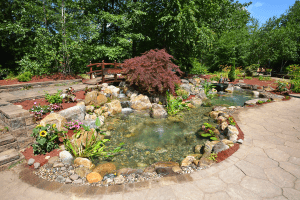
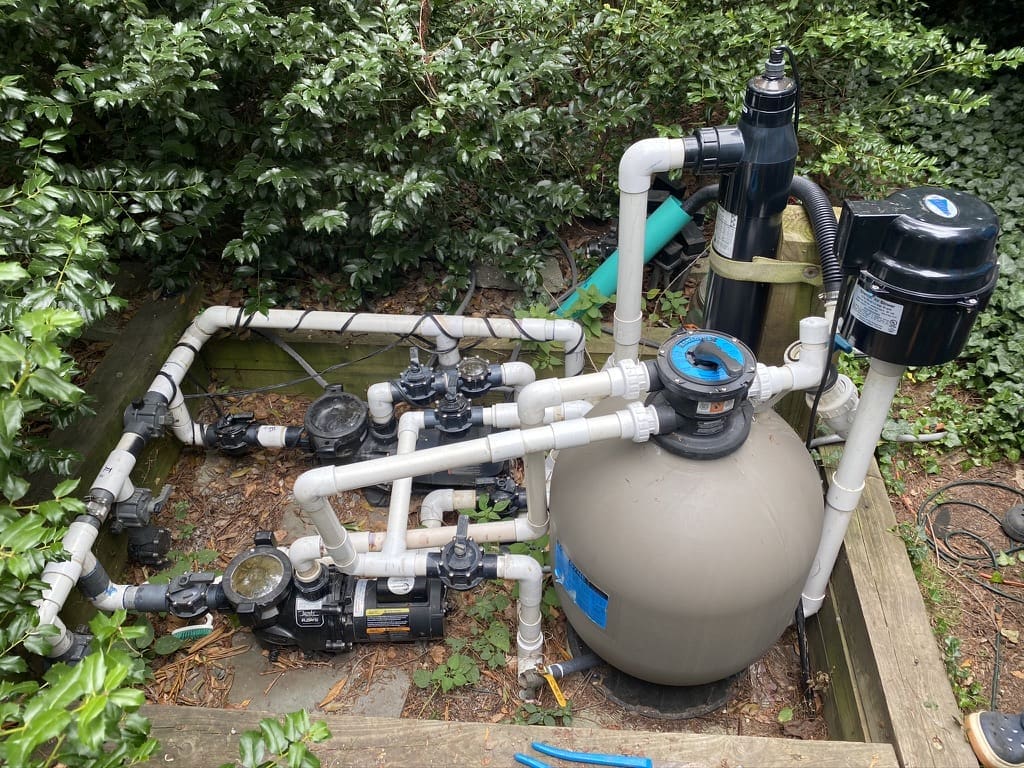
For most professionally built ecosystem ponds in New England, running the pump 24/7 during the active season (April–November) costs roughly $50–$85 per month — depending on pond size and local electric rates.
That's about the same as running a second refrigerator or chest freezer. Not nothing — but far less than most people assume.
Why This Question Matters More in New England
Electricity isn't cheap here. Massachusetts consistently ranks among the top 3–5 most expensive states in the country for residential electricity. As of early 2026, the average residential rate in Massachusetts sits around $0.31–$0.34 per kWh — roughly 75% higher than the national average of about $0.18 per kWh.
That means a pond pump running in Massachusetts costs meaningfully more than the same pump running in, say, North Carolina or Ohio. So when national pond forums quote electricity costs, those numbers may not reflect what New England homeowners will actually pay.
This guide uses Massachusetts-specific rates and typical Aquascape ecosystem pond configurations — the same systems we design and install across our service area.
The Real Numbers: Seasonal Operating Costs
Ecosystem ponds run continuously during the active season — typically April through November in New England. That's roughly 8 months, or about 5,856 hours of pump operation. Here's what that looks like at current Massachusetts electric rates (~$0.32/kWh):
| Pond Size | Typical Pump | Watts | Monthly Cost | Seasonal Cost Apr–Nov |
|---|---|---|---|---|
| Small 6×8 to 8×11 ft |
AquaSurge 2000 | 100–135W | $25–$35 | $200–$275 |
| Medium 11×16 ft |
AquaSurge 3000–4000 | 165–210W | $40–$55 | $320–$430 |
| Large 16×21 ft+ |
AquaSurge 4000–5000 | 210–300W | $55–$75 | $430–$600 |
| Premium / Multi-Pump 21×26 ft+, long streams |
Multiple pumps or AquaForce | 350–500W | $85–$125 | $680–$1,000 |
Show Me the Math
Let's walk through a specific example so you can see exactly how these numbers work — and so you can calculate your own if you're in a different part of New England with a different electric rate.
That's the math. No hidden fees, no trick. A medium ecosystem pond with a properly sized pump costs about $38 per month to operate in Massachusetts — roughly $1.27 per day.
How Does That Compare to Things You Already Pay For?
Cost without context is just a number. Here's how a medium pond's seasonal operating cost stacks up against other household items that run continuously or frequently:
Curious What a Pond Would Cost on Your Property?
We'll walk through design, placement, and realistic operating costs — no pressure, no obligation.
Start a ConversationWhy Ecosystem Ponds Run 24/7 — And Why That's a Good Thing
If you're used to things like landscape lighting that turns on and off, the idea of a pump running 24 hours a day might feel wasteful. But continuous circulation isn't a luxury — it's how the system stays healthy.
Here's what 24/7 circulation does:
Oxygenates the water. Fish and beneficial bacteria need dissolved oxygen to thrive. Stagnant water loses oxygen quickly, especially in warm summer months.
Prevents stagnation. Standing water breeds mosquitoes, develops foul odors, and creates conditions where harmful bacteria can take over. Moving water prevents all of this.
Delivers waste to filtration. Debris, fish waste, and dissolved organics need to be continuously moved toward the skimmer and biological filter. Without circulation, waste accumulates in the pond rather than being processed.
Supports the biological filter. Beneficial bacteria — the invisible backbone of every ecosystem pond — require a constant supply of oxygenated water flowing over their colonized surfaces. Turn off the pump, and those bacteria begin dying within hours.
What About Winter?
Good news: you don't run the main pump through winter. Most ecosystem ponds in New England are shut down between late November and early April. During that dormant period, the pump is removed, stored indoors, and the plumbing is blown out to prevent freeze damage.
Winter care typically involves just two small devices:
A deicer (100–300 watts) keeps a small opening in the ice for gas exchange — allowing harmful gases to escape and oxygen to enter. These cycle on and off with a built-in thermostat, so they don't run constantly.
An aerator (4–15 watts) provides gentle water movement under the ice, supporting dissolved oxygen levels for overwintering fish.
Winter operating costs are minimal compared to the active season. Most homeowners barely notice the difference on their electric bill.
What About Add-Ons? Lights, Aerators, Auto-Dosers
The pump is the main power draw, but most ponds include at least a few additional electrical components. Here's what they add:
| Add-On | Typical Wattage | Run Time | Monthly Cost |
|---|---|---|---|
| LED Pond Lights (3–5 fixtures) | 15–50W total | Dusk to ~midnight | $2–$5 |
| Supplemental Aerator | 4–15W | 24/7 during season | $1–$4 |
| Automatic Dosing System | 5–10W | Intermittent | $1–$2 |
| IonGen (algae control) | ~5W | 24/7 during season | $1–$2 |
| Fountain or Spitter | 10–40W | Daytime hours | $2–$6 |
Even with every add-on running, these extras typically add $5–$15 per month to the total — a fraction of the pump cost.
How to Keep Operating Costs as Low as Possible
Right-Size the Pump from Day One
An oversized pump wastes energy. An undersized pump creates poor circulation and long-term water quality issues. Professional design matches pump selection to pond volume, head height, pipe diameter, and desired flow — not guesswork.
Use Adjustable-Flow Pumps
Modern Aquascape AquaSurge adjustable-flow models let you dial flow up or down depending on conditions. Running at 70% flow during calm periods can reduce energy consumption by 20–30% while maintaining healthy circulation.
Keep Plumbing Clean and Properly Sized
Undersized pipes, too many elbows, and clogged intake screens all force the pump to work harder — consuming more electricity for less actual water movement. Good plumbing design pays for itself over time.
Schedule Spring Clean-Outs
A pond full of accumulated debris forces the entire system to work harder. Annual spring clean-outs restore the system to peak efficiency — like an oil change for your pond.
The Full-Year Picture
That works out to roughly $35 per month averaged over the year — or about $1.14 per day — to operate a fully equipped, professionally designed ecosystem pond with lights, aeration, and winter protection.
Ready to Talk About Your Pond?
We've designed and built hundreds of ecosystem ponds across Massachusetts and New England since 2007. Let's figure out what makes sense for your space, your budget, and your lifestyle.
Start a Conversation